
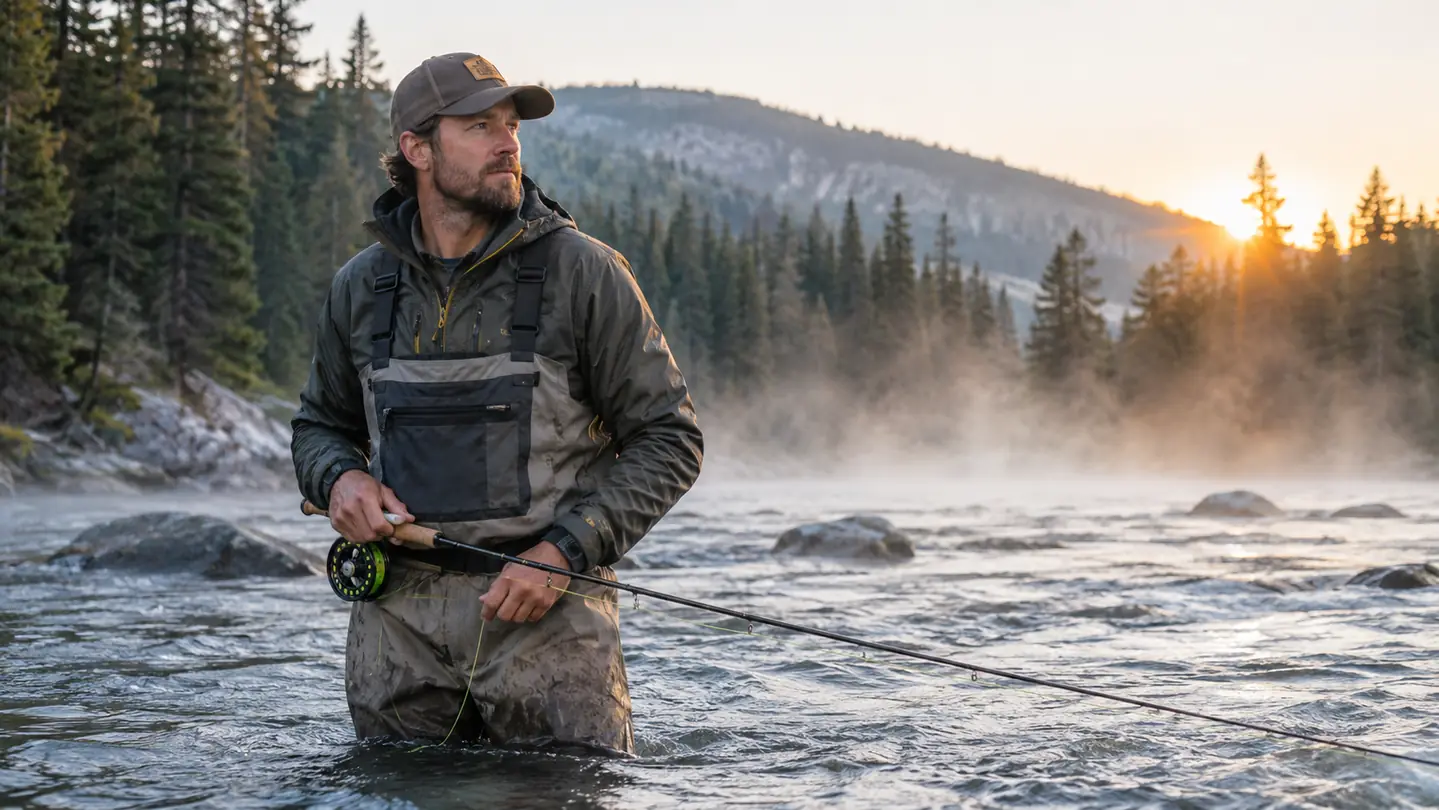
I have worn out three pairs of waders on the Deschutes in the last dozen years, and I have learned that the label on the box matters less than how the seams hold up in January. When I lined up the FROGG TOGGS Hellbender stockingfoot chest waders against Simms waders, I was not looking for a fashion contest. I wanted to know which pair I would trust on a cold morning when the wind comes down the canyon and the water is above my knees. I fish the Deschutes, the Metolius and the Crooked, plus a few high lakes in the Cascades when the snow is off. Most of my trips come out of the back of a 2011 Tacoma with a canopy, and my gear has to earn its space.
Short answer: the FROGG TOGGS Hellbender is the pair I would hand to a friend who fishes a few weekends a month and wants a simple, light stockingfoot wader without turning the purchase into a project. Simms waders are the pair I would point to for the angler who is on the water 80 days a year, wants more fabric choices and a more tailored fit, and values a repair path behind the brand. Those are different jobs. The mistake is buying one while expecting the other.
| FROGG TOGGS Hellbender | Simms Waders | |
|---|---|---|
| Fabric and build | 100% nylon shell, medium weight, medium stretch, regular fit | Several breathable fabric tiers and tailored cuts across the line |
| Packed weight | Listed at 3.1 pounds | Varies by model, often heavier with added features |
| Fit and sizing | Regular fit, pull-on, stockingfoot | More size and cut options, including models built for layering |
| Service after the sale | 1 year manufacturer warranty | Repair service is part of the ownership model |
| Care | Hand wash only | Hand wash for most breathable models |
| Entry commitment | Easier entry point for occasional anglers | Higher-tier purchase aimed at frequent use |
| Best use | Weekend trips, backup pair, cold weather wading | Guided trips, daily use, long seasons |
| Weatherproofing | Waterproof chest wader | Waterproof breathable designs |
How I Compared Them
I compared them the way I used to check a part on an airframe: fit, tolerance and failure mode. On the water that means four things. How does the wader fit over layers. How does the foot feel inside a wading boot. How does the fabric behave on a walk in and on a hot afternoon. And what happens when something goes wrong, because something always does. I did not need a lab. I needed a cold morning, a long walk and a seam that either holds or does not.
Fit is the first test and the one most people skip. I wear a size that puts the waist where it should be and leaves room for a fleece underneath, and I check that the stockingfoot does not bunch inside the boot. A wader that fits wrong will rub a seam raw at the ankle by mile one, and no fabric on earth fixes that. Tolerance is the second test. I look at how the seams lie and whether the fabric pulls across the back when I squat down to tie on a fly. Failure mode is the third. When a wader goes, it goes at a seam or at the foot, and it goes on a cold morning when you are two miles in. I want to know how it fails and whether I can feel it coming.
I have fished the Hellbender on the Deschutes and the Crooked, and I have spent enough time around Simms waders to know what the extra tiers buy. I am not going to pretend the two are the same product with a different logo. They are not. The question is whether the difference lands on the water you actually fish. A guide who is in the river every day needs one answer. A guy who gets out on Saturdays needs another.
Where FROGG TOGGS Hellbender Wins
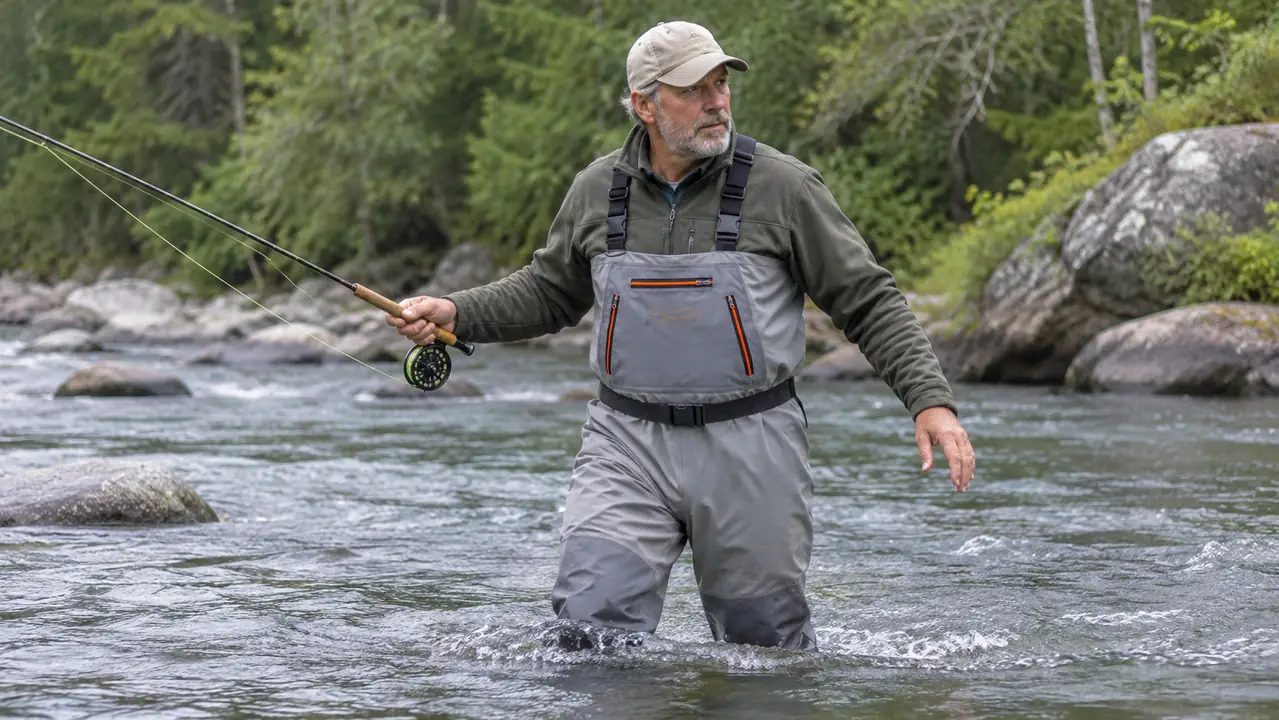
The first place the FROGG TOGGS Hellbender wins is the one I care about at 5:30 in the morning: it is simple to live with. The listed weight is 3.1 pounds. That is light enough that I do not feel like I am putting on a suit of armor when I pull them on in the dark. The 100% nylon shell is medium weight and medium stretch, and the fit is regular. There is no long ritual at the tailgate and no learning curve. You step in, pull them up, and get to the water. For a guy who camps out of a Tacoma and keeps his gear in one canvas duffel, that matters.
One morning last November I pulled them on in the dark at the Crooked River takeout with the truck thermometer reading 29 degrees and frost on the duffel. I had a base layer, a fleece and a soft shell on underneath, and the regular fit took all three without binding across the shoulders. I waded a shallow run for about two hours and the pull-on closure never needed a second look. That is the whole point of a simple wader. It does not ask you to think about it at 6 a.m. The FROGG TOGGS Hellbender earns its place by staying out of the way, which is a compliment I do not hand out to gear often.
The second win is the entry point. Not everyone needs a wader built for a guide season. If you fish the Crooked River a handful of weekends a year, or you want a second pair to keep in the truck for the day the weather turns, the Hellbender covers the job. The 1 year manufacturer warranty is plain and the care is hand wash only, which is normal for this kind of gear. It is not a wader I would pick for a 60 day season, but it is a wader I would lend to a friend without a lecture.
Where Simms Wins
Simms wins on the things that show up after the first season. The brand sells waders in several fabric tiers and cut options, and the higher-end models are built for breathability and long days. If you hike into a high lake in the Cascades in August, or you fish the Deschutes in July when the sun is on you all afternoon, a more breathable fabric matters. The Hellbender is medium weight nylon and it does what nylon does. It keeps water out. It does not breathe like a premium fabric, and on a hot day you will notice.
Simms also wins on fit and service. Simms offers more size and cut choices, which matters if you are tall, short, or layering under your waders in cold weather. The repair program is the other part. Waders fail at seams and feet, and a brand that will repair them is worth something to an angler who is on the water often. The FROGG TOGGS Hellbender has a 1 year manufacturer warranty, and that is the whole story. Simms gives you a longer ownership path. Neither is wrong. They are just built for different calendars.
If your season is weekends and cold water, start with the Hellbender
It is the simple, light stockingfoot pair I would keep in the Tacoma for the days that turn. Check the size chart before you buy, because fit is the one thing you cannot fix later.
Amazon See the FROGG TOGGS Hellbender on Amazon →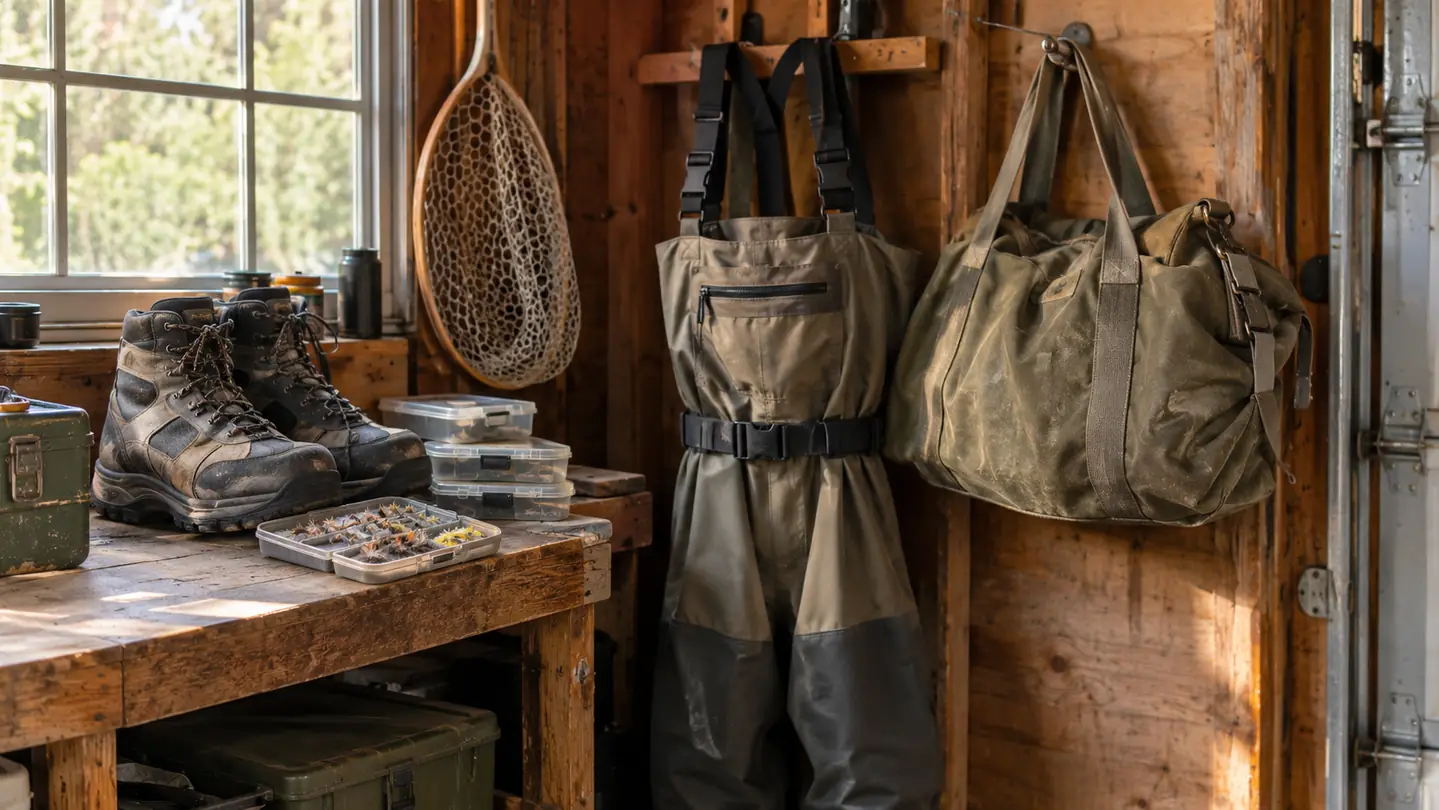
The Details That Matter on the Water
The Hellbender is listed as a regular fit with medium stretch. That is a real advantage when you are layered up. I wear a base layer and a fleece in November, and the regular cut gives me room without feeling like a sail. The pull-on closure means there is less to fiddle with in the dark. The stockingfoot design lets me choose my wading boot, which I prefer because I can replace a boot before I replace a wader. Simms gives more cut choices, and if you are hard to fit, that is worth something.
The Hellbender is 100% nylon, medium weight. Nylon does a fine job keeping water out. It does not move moisture like the premium breathable fabrics Simms sells in its higher tiers. On a 45 degree morning on the Metolius, that is fine. On a July afternoon on the Deschutes, you will feel the difference when you walk a mile back to the truck. If you mostly wet wade in summer and only use waders in cold weather, this is a nonissue. If you wear waders year round, Simms has the edge.
At 3.1 pounds, the Hellbender is easy to carry in a duffel and easy to pull on at the tailgate. I have walked a half mile in them and did not feel like I was dragging an anchor. The tradeoff is that the nylon is not armor. Brush, barbed wire and sharp rock will find it. I check the seams and the feet after every trip, and I hand wash only as the label says. The 1 year manufacturer warranty covers defects, not the rock you slid down. Simms waders in the higher tiers are aimed at harder use, and the repair path is there for the long run. That is the difference between a weekend pair and a work pair.
On a Deschutes trip in September I walked a mile of bank in them, up and down a rockslide that passes for a trail, and the 3.1 pounds never turned into a burden. What I did notice was the limit of the nylon. I brushed past a juniper limb and it caught the fabric the way nylon always catches. No tear, but I looked at that spot for the rest of the day. After every trip I turn them inside out, check the seam tape at the knee and the foot, and hang them from a peg in the garage. That routine takes four minutes and it is the reason a plain pair of waders lasts more than a season.
Hand wash only is the instruction on the Hellbender, and that is normal. Do not put them in the machine, do not dry them on a radiator, and do not store them wet in the Tacoma. I hang mine from a peg in the garage. Simms waders also need care, but the brand's repair program is the backstop. If you fish often, that backstop is part of what you are buying. If you fish a dozen times a year, the 1 year manufacturer warranty on the Hellbender is enough.
Who Should Buy Which
Buy the FROGG TOGGS Hellbender if you are an occasional angler, a beginner, or a frequent angler who wants a light backup pair. It fits the guy who fishes the Crooked on Saturdays, camps out of a Tacoma, and wants a stockingfoot chest wader that pulls on without fuss. It is also a sensible choice if you mostly fish cold weather and do not need premium breathability. At 3.1 pounds and with a regular fit, it packs easy and layers well. The 1 year manufacturer warranty is straightforward, and hand washing is no trouble.
If your year looks like mine, four or five trips in the spring, a handful in the fall, and one cold week in November when the fish are podded up, the Hellbender covers it without a second thought. I keep mine in the Tacoma from October through April and I do not worry about them riding in the canopy overnight. If your year looks like a guide's, with clients in the boat six days a week from April to October, the math points the other way. The step up to Simms buys breathability you will feel by July and a repair path you will use by year three.
Buy Simms waders if you are on the water often, you run guided trips, or you fish hard in hot weather and need breathable fabric. The extra cut options matter if you are tall or short or you layer heavily. The repair path matters if you are the kind of person who wears waders out at the feet every other season. It is not the pair I would buy for a once a month trip, but it is the pair I would buy if my season ran from March to November. Neither choice is a mistake. Buying the wrong one for your calendar is.
The low-fuss pair for the angler who wants to fish, not shop
If you need a simple stockingfoot wader for weekends and cold water, the FROGG TOGGS Hellbender is the one I would check first. Read the size chart and match it to your boot.
Amazon See the FROGG TOGGS Hellbender on Amazon →